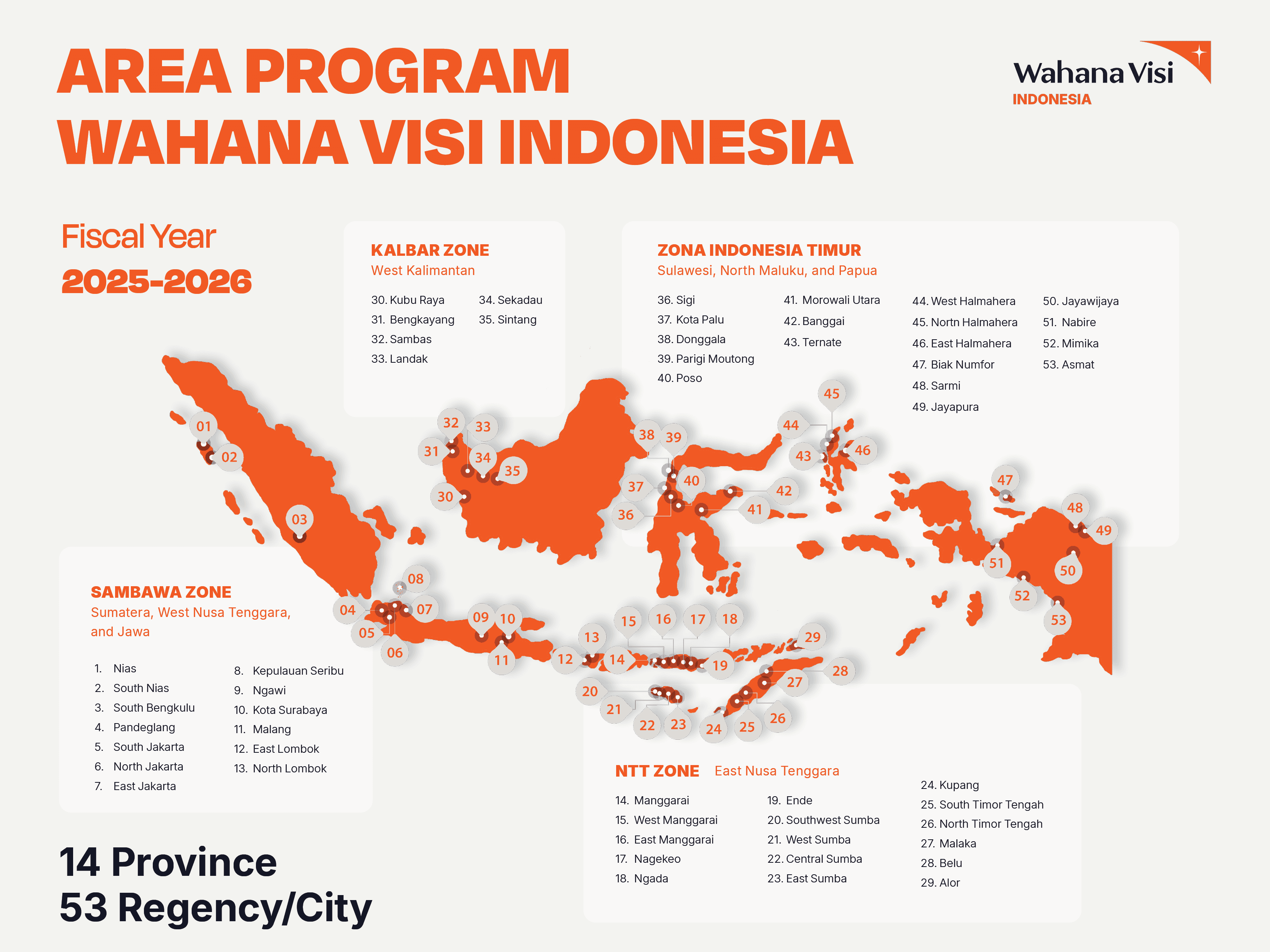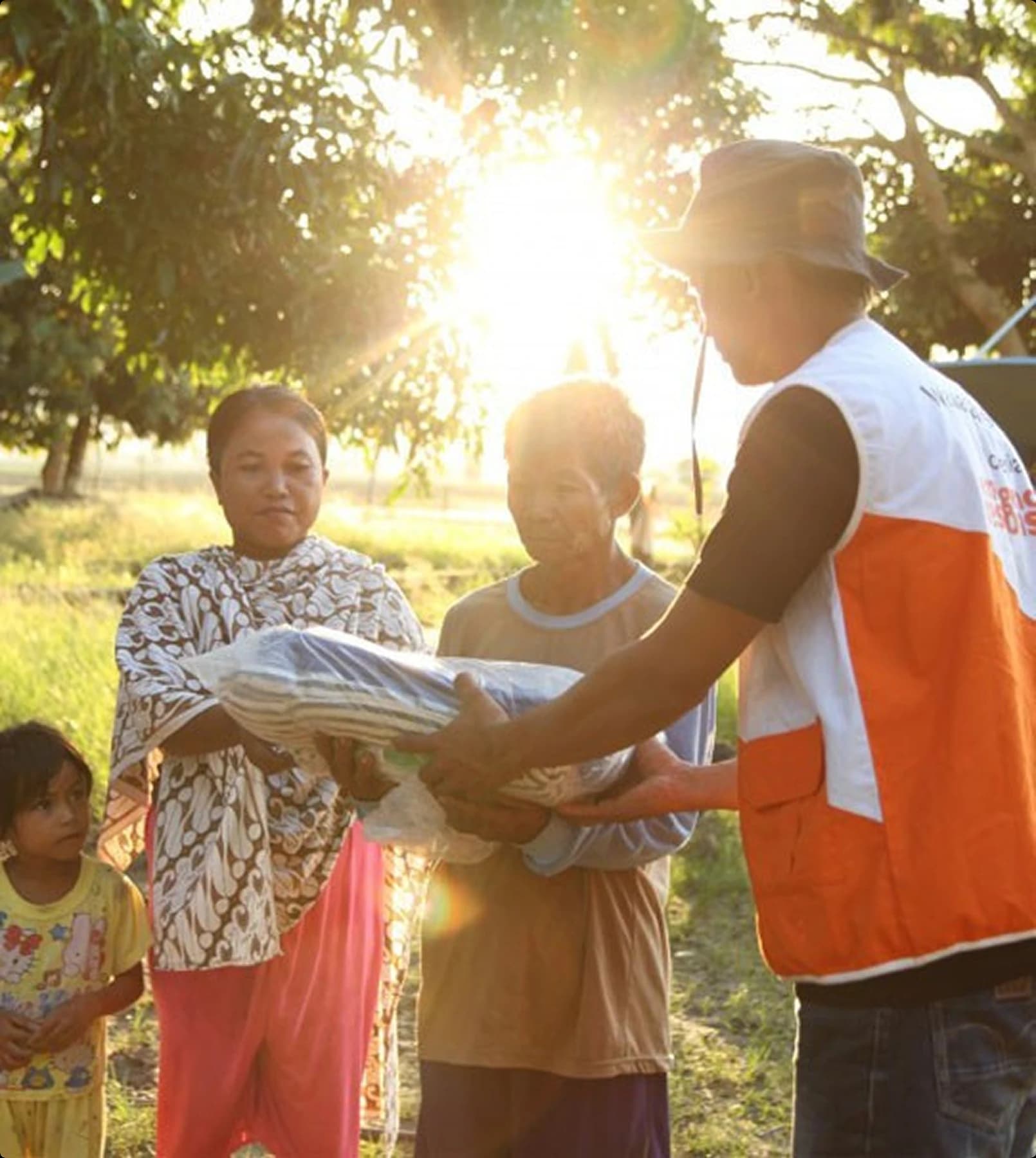
Wahana Visi Indonesia prioritizes long-term development programs through a continual area development approach or Area Program (AP) by the local operational office in WVI-accompanied areas. Because of our community-focused solutions, for every child you help, four more children benefit, too. We are committed to continuing to assist more than 80,000 children in 83 cities/districts in 18 provinces throughout Indonesia. Wahana Visi Indonesia ensures that all work carried out supports the Sustainable Development Goals, such as:
No Poverty
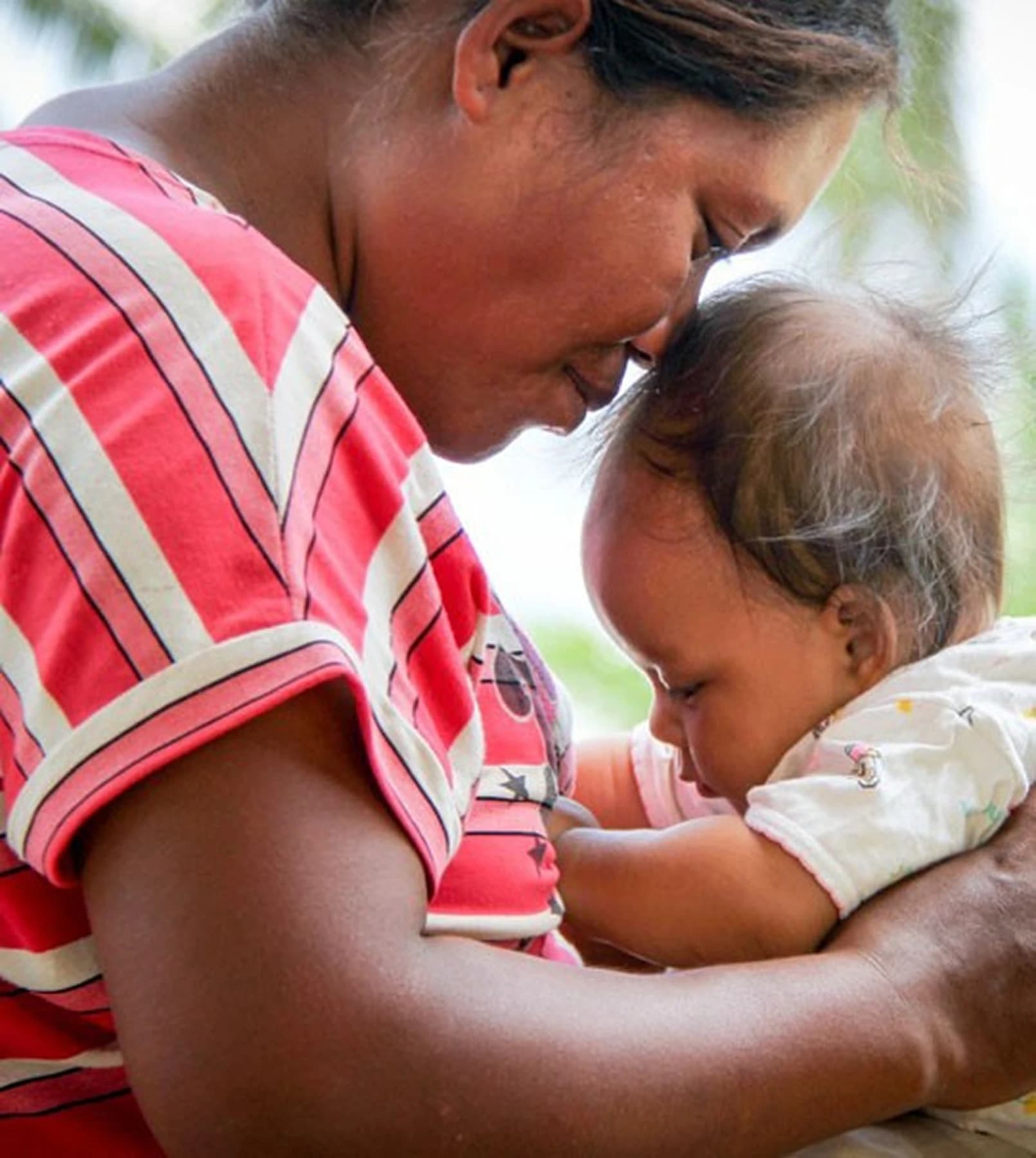
Creating a decent life for all by ending extreme poverty and strengthening social protection.
Zero Hunger
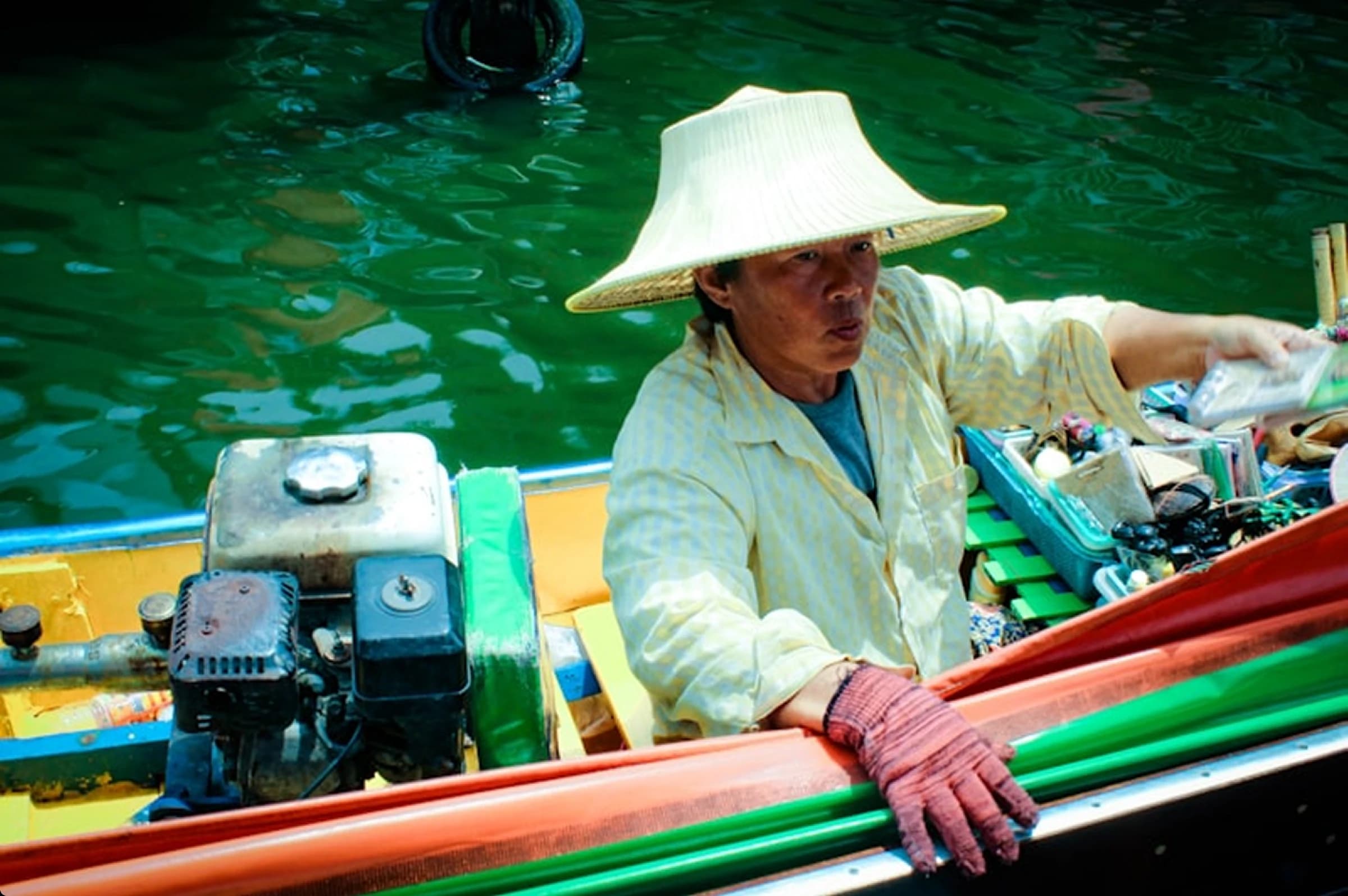
Ending hunger, achieving food security and improved nutrition, and promoting sustainable agriculture.

Good Health and Well-Being
Ensure healthy lives and promote well-being for all at all ages.
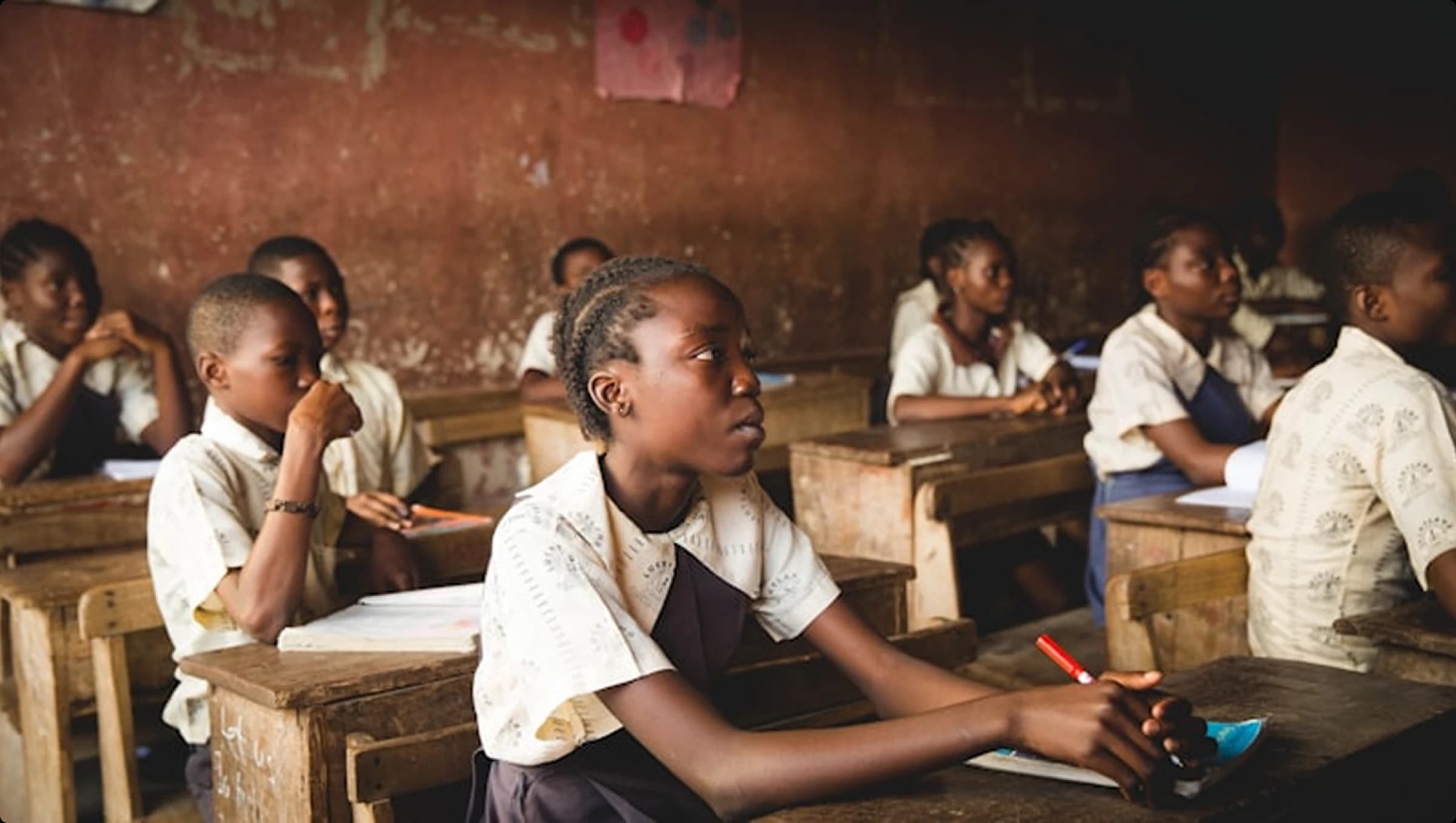
Quality Education
Ensure inclusive and quality education and promote lifelong learning opportunities.

Gender Equality
Achieve gender equality and empower all women and girls.
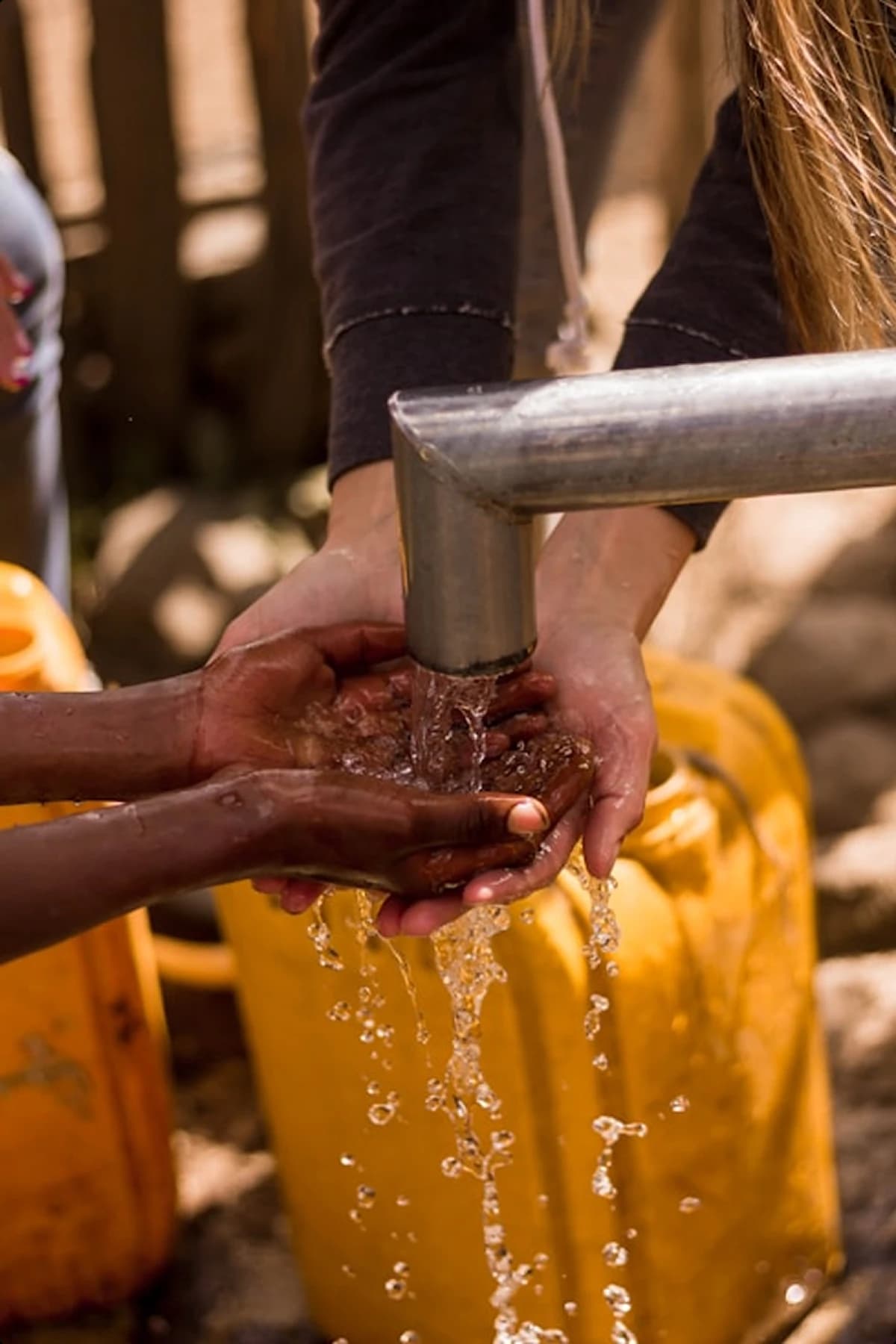
Clean Water and Sanitation
Ensure availability and sustainable management of clean water and sanitation for all.

Decent Work and Economic Growth
Promote inclusive and sustainable economic growth, create productive employment opportunities, and ensure decent work for all communities in the assisted areas.
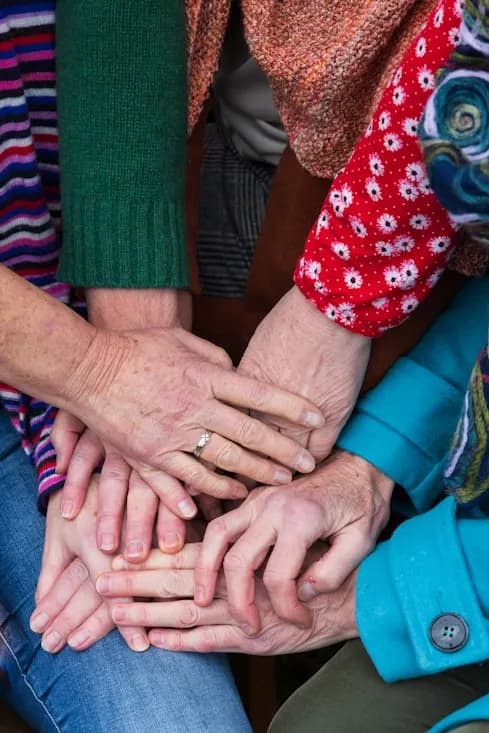
Reduced Inequalities
Reducing disparities within and between countries by ensuring inclusive participation and equal access to opportunities for all levels of society.
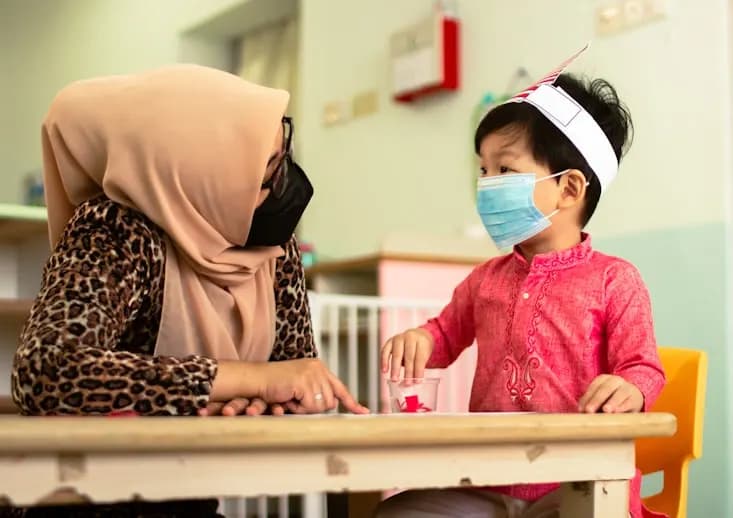
Sustainable Cities and Communities
Improving the accessibility and quality of public health systems to ensure comprehensive health protection for children and families.
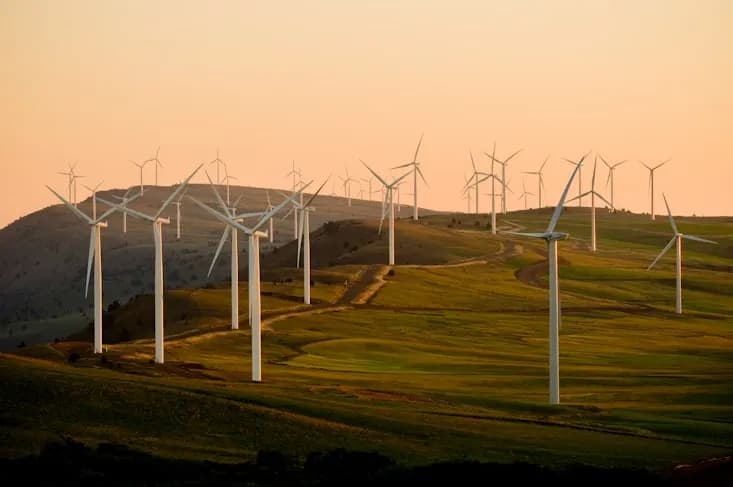
Climate Action
Taking urgent action to address climate change and its impacts by strengthening community resilience and preserving sustainable ecosystems.
Peace, Justice and Strong Institutions
Promote peaceful and inclusive societies, provide access to justice for all, and build effective, accountable and transparent institutions at all levels.

This program is designed to help communities increase their income from laying hen farming, the produce of which can be sold in local markets.
Young people in the village, such as Karang Taruna and OMK, will be empowered to market eggs through social media and other digital strategies.

Business capital was distributed to savings and loan groups (S4T) consisting of mothers. They became the main actors in livestock farming and fund management.
The eggs produced by the farm will help meet the nutritional needs of the village children, while also serving as a model for local food security.