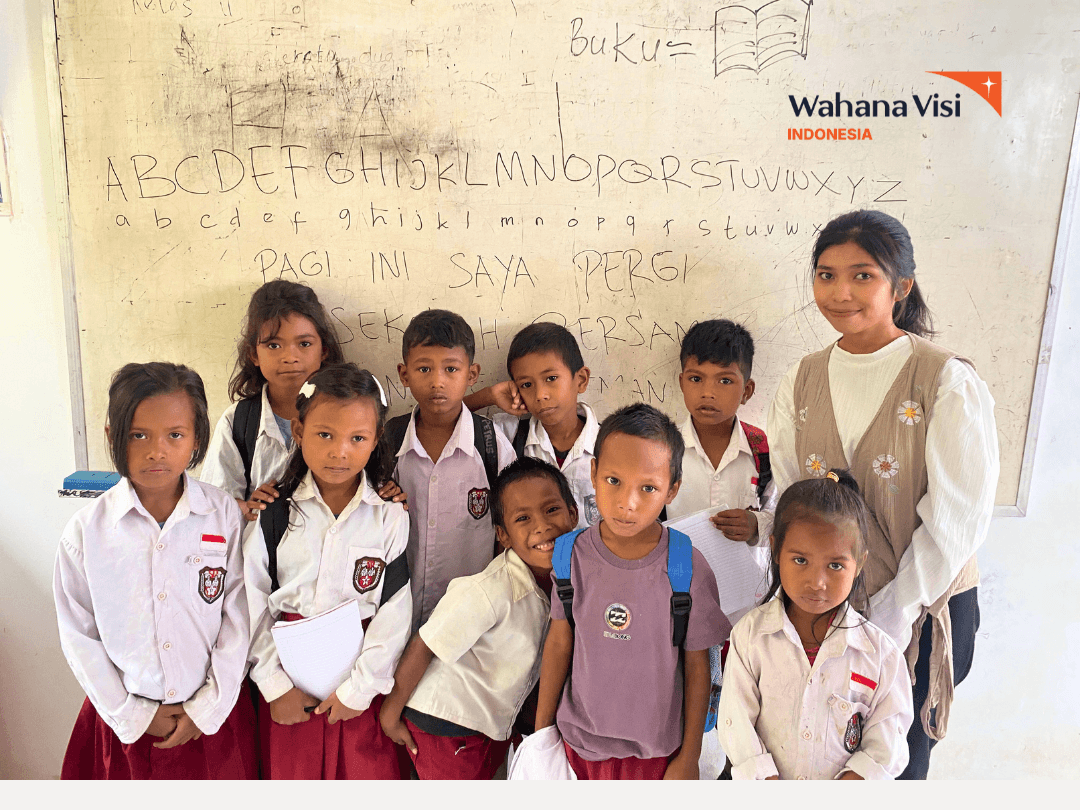
Becoming a child sponsor is a meaningful way to support children's education and well-being on a sustainable basis. However, before choosing a scheme, it is important to understand how an organisation manages and accounts for its delivery. Transparency in child sponsorship helps potential donors understand how programmes are run, how funds are managed, and how organisations report on progress to the public. By evaluating this information, you can assess an Indonesian child sponsorship scheme more objectively before deciding to sponsor.
For us, transparency is not merely about providing information; it is about building trust through openness and accountability. We therefore offer comprehensive official information so that potential sponsors can make well-informed decisions.
Why Transparency Matters Before Becoming a Child Sponsor
Transparency is a key indicator when selecting a child sponsorship scheme, as it helps prospective donors understand how a programme is designed, delivered, and monitored. Transparent organisations clearly explain their programme objectives, target beneficiaries, operational progress, and publicly accessible reports.
The Link Between Transparency and Donor Trust
Openness in child sponsorship plays a crucial role in building trust. Donors not only see the activities taking place, but also gain insight into the processes behind programme execution. Decisions to donate are thus based on verifiable information rather than promotional material or testimonials alone.
Why Transparency Differs from Programme Marketing
It is important to distinguish transparency from simple programme promotion. Marketing often displays photographs or stories of past activities, whereas genuine transparency provides complete information—including programme mechanisms, progress reports, general fund allocation in accordance with organisational policy, and overall accountability.
Indicators of a Child Sponsorship Programme Worth Considering
Prospective sponsors can independently evaluate the quality of a programme using the following indicators:
Clear Programme Objectives: The organisation should clearly explain its goals, the issues it aims to address, and its chosen approach so potential donors understand the programme's direction.
Defined Target Beneficiaries: Clear information regarding who receives support, the operational regions, or target community groups helps sponsors understand the project's scope without compromising the personal privacy of individual beneficiaries.
Accessible Programme Reports: Reports are a primary measure of accountability. Publicly available reports demonstrate an organisation's commitment to openly sharing operational progress.
Regular Progress Updates: Beyond formal reports, active organisations regularly share updates through articles or news, allowing the public to track ongoing developments over time.
Secure Payment Methods: Ensure the organisation provides donation channels through official, secure payment systems for total peace of mind.
Accessible Contact Information: Transparent organisations maintain easily accessible customer service channels, email addresses, contact forms, or official communication lines to assist the public prior to donating.
Evaluating the Impact of a Child Sponsorship Programme
Beyond the indicators above, prospective sponsors should consider the tangible impact produced by a scheme. Impact is measured not simply by the amount of funds raised, but by the reported changes achieved—such as improved access to education, healthcare, child protection, and family or community empowerment.
Why Programme Reports Help Donors Decide
Programme reports serve as an essential source of information for assessing real-world impact. Typically, these reports detail programme objectives, operational areas, methodologies, activity summaries, and specific achievements over a given period. This data enables potential donors to evaluate a scheme based on officially published facts.
How Wahana Visi Provides Information for Prospective Child Sponsors
Choosing a child sponsorship scheme is a decision best made with complete information. We offer a range of official resources to help potential sponsors understand how our schemes operate, the nature of our support, and our commitment to transparency and accountability.
Our primary resource is the Child Sponsorship Programme page, which details programme goals, sponsorship mechanisms, support processes, and frequently asked questions (FAQs). This gives potential sponsors a clear overview of how the programme is run before joining.
We also publish accessible Programme Reports to account for our activities. These reports detail project implementation over specific periods, allowing the public to review our progress and results based on official data.
Additionally, we share educational articles regarding donation transparency, secure digital giving, and field updates from various regions. This content helps the public understand our operations while providing insights into child welfare and community empowerment.
By offering these transparent resources, we aim to help every prospective sponsor thoroughly evaluate our work and make decisions based on clear, relevant, and easily accessible information.
Key Points to Review Before Sponsoring a Child
Before signing up for a child sponsorship scheme, take time to review these essential details to ensure the programme aligns with your expectations:
How the Programme Works: Understand how the programme is structured, its key goals, and its approach to supporting a child's development. This ensures you are supporting sustainable, long-term change rather than short-term relief.
The Type of Support Provided: Learn how the organisation engages with the child, their family, and the wider community. Approaches involving multiple stakeholders generally create a more supportive environment for a child's growth.
Reports and Progress Updates: Check whether the organisation provides regular reports and updates, helping you track ongoing execution and achievements over time.
Payment Methods: Ensure donations are processed through official channels with secure payment systems. Transparent donation procedures reflect an organisation's overall reliability.
FAQs and Contact Channels: If you have further questions, consult the FAQ section or reach out directly through official communication channels. Accessible customer support highlights an organisation's commitment to open communication.
By examining these factors, you can objectively compare different Indonesian child sponsorship schemes and make a decision based on trustworthy, reliable information rather than marketing claims alone.
Conclusion
Selecting a child sponsorship programme is a major decision that requires careful consideration of various factors, above all an organisation's transparency. By reviewing clear information regarding objectives, target beneficiaries, progress reports, updates, and communication channels, prospective donors can thoroughly assess the quality of a scheme.
For us, transparency in child sponsorship is at the core of our commitment to building trust through openness and accountability. We encourage you to explore the Wahana Visi Child Sponsorship Programme to see how our support, reporting, and transparency operate in practice before deciding to sponsor.