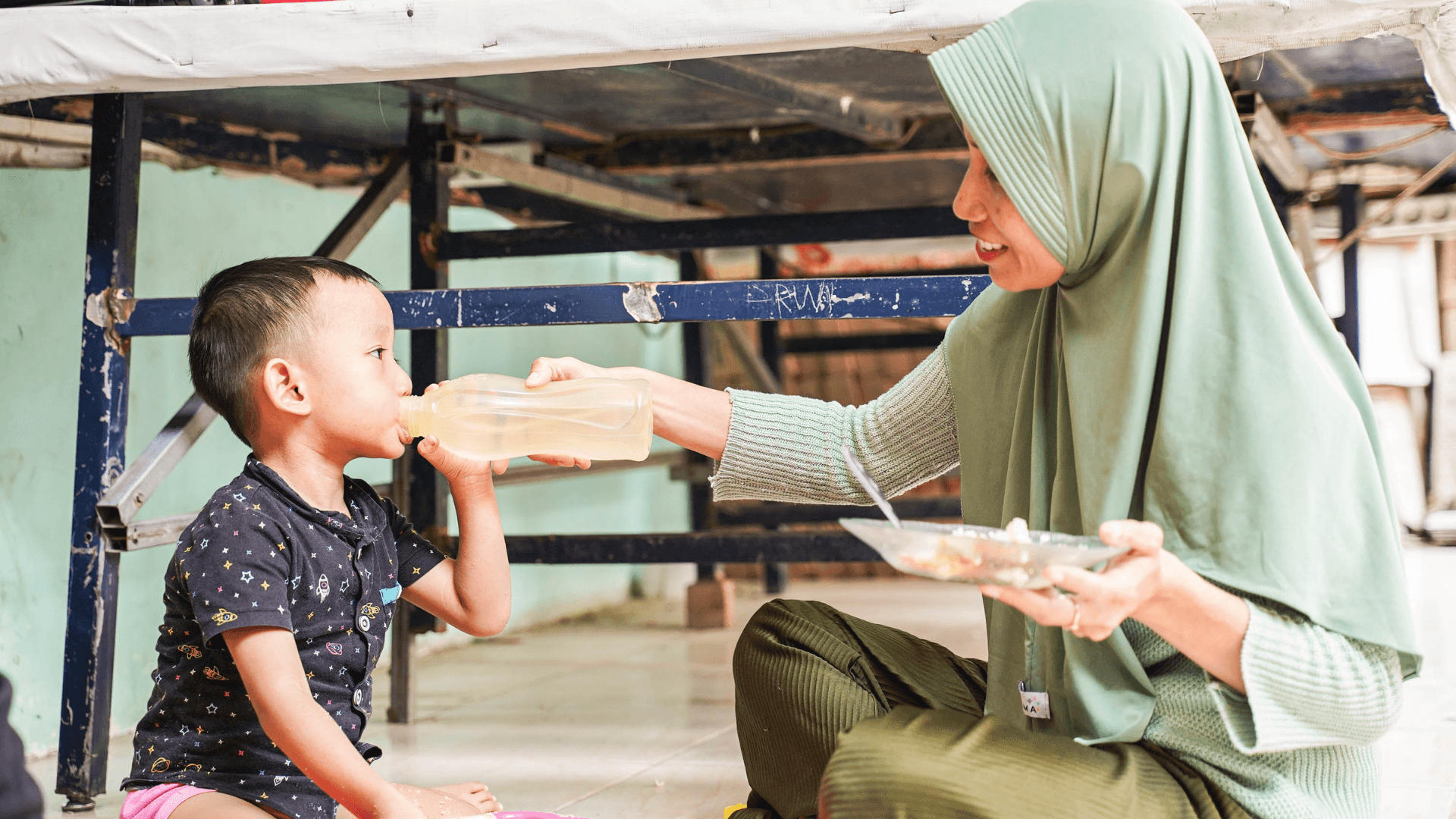
Ensuring adequate child nutrition is a fundamental factor for optimal growth and development, as well as a healthy future for the nation.
However, the reality is that the challenges of providing child nutrition in Indonesia remain significant. Based on 2023 data, the national prevalence of stunting still stands at 21.6%, and cases of malnutrition persist across the country—particularly in remote regions such as Ende, East Nusa Tenggara.
Beyond limited access to nutritious food, challenges also manifest in the form of a lack of nutritional education for families, the habit of consuming single-dish meals, and parenting cultures that have yet to prioritize nutritional fulfilment as a primary concern.
Wahana Visi acts as a partner to the community, the government, and donors in taking concrete steps to improve these conditions. Our work is underpinned by extensive field experience, multi-sector collaboration, and a commitment to transparency, ensuring that every contribution offers new hope for meeting the nutritional needs of Indonesian children and, ultimately, securing the nation’s future.
Through initiatives such as Child Nutrition Donations, the public can play an active role in supporting the next generation, ensuring that Indonesian children grow up healthy, strong, and capable of achieving their aspirations.
Objectives of the Child Nutrition Program
The primary objective of the child nutrition program is to ensure that every child, without exception, receives sufficient and diverse nutritional intake every day. Further goals include:
Measurably reducing malnutrition and stunting rates through interventions in supported areas. For example, in 2024, Ende recorded a decline in stunting prevalence thanks to intensive nutrition posts, education, and regular monitoring.
Increasing family capacity, where parents are mentored to understand and implement balanced menus and positive nutritional parenting. A spirit of self-sufficiency is fostered to ensure families do not rely indefinitely on external aid.
Delivering education directly within village communities, involving nutrition volunteers and local leaders. Case studies in Ende demonstrate success through the active involvement of mothers in managing nutrition post kitchens, categorizing menus using local produce, and the daily practical provision of supplementary food made from eggs, tempeh, or fish.
All of these efforts aim to move families away from a reliance on instant food and monotonous diets (relying on a single type of side dish).
Program Structure and Mechanisms
The implementation of the child nutrition program highlights the synergy between education, monitoring, innovation, and the strategic use of local resources:
1. Nutritional Education
Conducting regular workshops and training for Posyandu (community health post) volunteers on balanced menus, exclusive breastfeeding, debunking common myths regarding child nutrition, and utilizing local foods as alternative protein sources.
2. Growth Monitoring
Monthly sessions include weighing, recording height and weight, and plotting growth charts at health posts. These results facilitate the early identification of stunting risks, allowing for immediate intervention through protein supplementation.
3. Utilizing Local Food Resources
The program goes beyond simple food aid by initiating communal egg-laying poultry farming within families and communities. Eggs are distributed regularly to children to ensure a stable supply of animal protein while simultaneously empowering the family economy.
4. Practical Initiatives: "One Child, One Egg"
In Ende, the "One Child, One Egg" model ensures children receive an egg every day. This initiative has proven effective in increasing children’s weight to ideal standards and reducing stunting rates within the first three months of implementation. Poultry stock is provided, and families are mentored on sustainable farming to ensure an uninterrupted supply.
5. Multi-sector Collaboration
The involvement of the Health Office, health volunteers, early childhood teachers, and religious leaders strengthens the program’s sustainability, oversight, and reach. Wahana Visi teams work directly with volunteers on monitoring and mentoring, while ensuring transparent evaluation and publication of results.
6. Innovation and Child Participation
Campaigns actively involve the voices of children and adolescents through Child Forums. This approach recognizes their potential as catalysts for change in shifting parenting and nutritional habits within their own families.
Benefits of the Child Nutrition Program
The impact of our program is evident both in immediate results and long-term sustainability:
1. For the Child
Optimal Growth: Children grow healthily, remaining active in play and learning while reaching height and weight milestones in line with WHO standards.
Enhanced Immunity: Increased resistance to illness ensures children are ready for school and can participate actively in social activities.
Drastic Risk Reduction: Stunting and malnutrition risks fall significantly during the three-month intensive program.
Example: In Ende, stunting prevalence dropped from 8.2% to 7.9% within a single intervention period.
2. For Parents and the Community
Mindset Shift: A fundamental change in how families view nutrition—moving beyond "rice and vegetables" to a balanced diet that rotates animal and plant-based proteins.
Economic Relief: By receiving nutritional support, parents can focus on their livelihoods and improving the family’s economic standing, while children’s daily needs are met through communal farming.
Empowered Volunteers: Local health volunteers and Posyandu staff are trained as "agents of change," spreading best practices and ensuring the program’s benefits ripple through the wider community.
3. Long-term Impact
Self-Sufficient Protein: Established communal poultry farms and local food cultivation provide a permanent, independent source of protein.
Economic Independence: Families gain the ability to sell surplus eggs or poultry, fostering a spirit of mutual cooperation (gotong royong) and community resilience.
Sustainable Behavioral Change: Positive parenting and nutritional habits are passed down to future generations. This success allows for the expansion of child nutrition donations to Indonesia's most remote, frontier, and disadvantaged (3T) regions.
How to Support and Donate
Everyone can contribute to the child nutrition programme through several meaningful avenues:
1. Donate via Wahana Visi Indonesia
Donations can be made directly through the official Wahana Visi Indonesia website, either via our Gift Catalogue or by selecting specific donation programmes. We offer a wide range of payment methods, including bank transfers, e-wallets, credit cards, and virtual accounts. The process is secure, transparent, and easily accessible to all prospective donors.
2. Guaranteed Transparency
Donors receive regular reports regarding the allocation of funds and the progress of the children or communities being supported. Independent audits and the publication of annual financial reports are standard practices at Wahana Visi.
3. Support Beyond Financial Contributions
Support can also take the form of providing nutritious food supplies, delivering education to local communities, or helping to amplify campaigns such as "Child Nutrition Donations" and "How to Donate for Malnourished Children" within your own social circles.
4. Child Sponsorship Program
Through a regular commitment of Rp 250,000 per month, individuals can monitor a child’s development digitally via the MySponsorship portal. Sponsors receive annual reports and have the opportunity to communicate directly with or even visit their supported communities.
Furthermore, involving the wider public—including adolescents and children through advocacy programmes and local Child Forums—has proven vital. These platforms give youth a voice and inspire changes in parenting practices, nutritional education, and early stunting prevention.
Support Child Nutrition with Wahana Visi Today!
The child nutrition programme is both a fundamental right and a vital investment in Indonesia’s future. Every contribution reinforces the public's role as guardians of the next generation, ensuring they grow up healthy, intelligent, and prosperous.
Wahana Visi Indonesia’s credibility is built upon decades of field experience, continuous mentoring, multi-sector collaboration, and measurable results. Combined with our transparent auditing, we ensure that every donation creates a tangible, real-world impact.
Join us by donating, participating, or simply sharing information about our nutrition programmes through Wahana Visi’s official channels and your social networks. Together, we can help build an Indonesia free from stunting, where every child grows up healthy and happy—because adequate nutrition is a right, not just a hope.