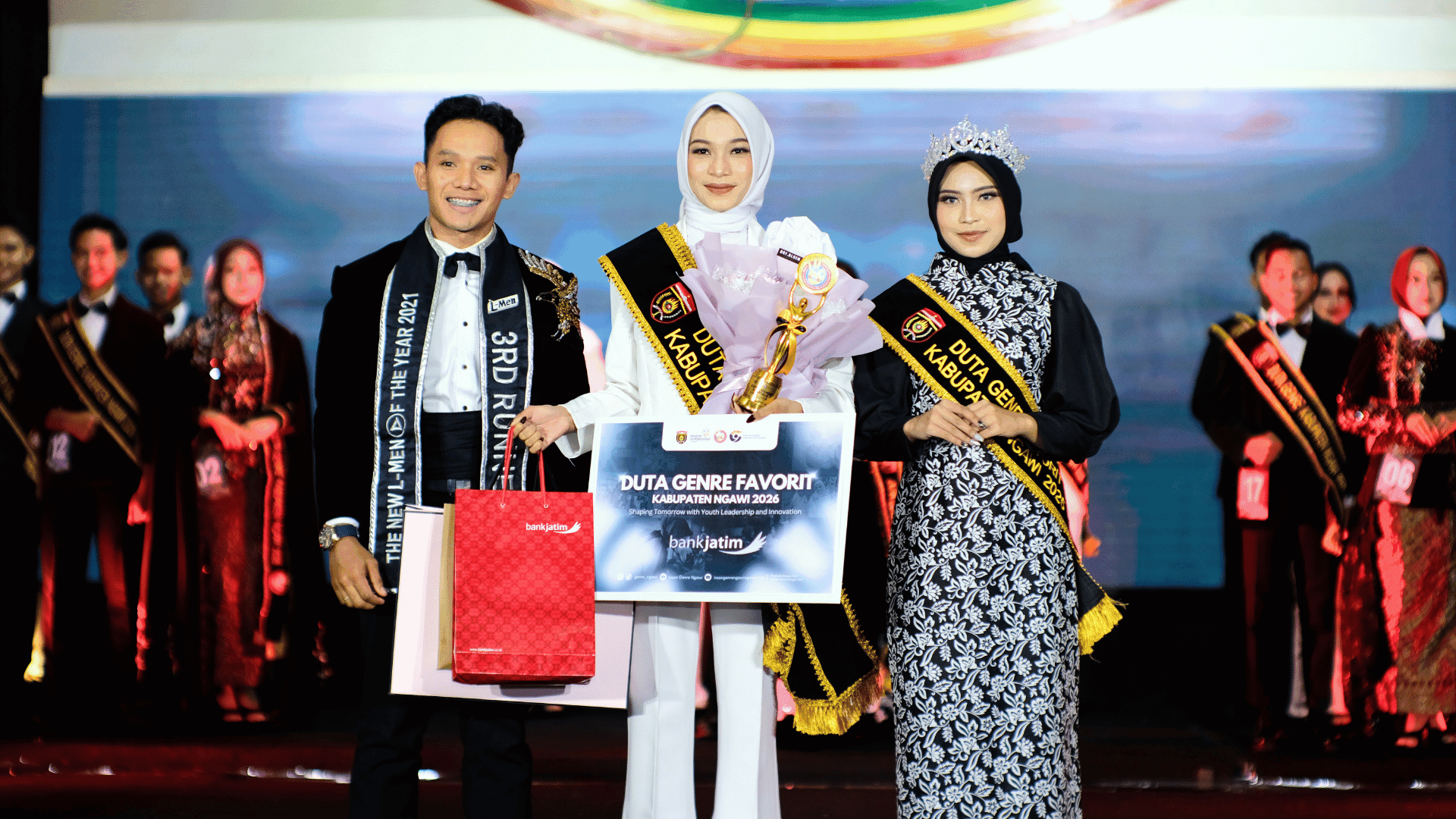
In Ngawi, the awareness of young people regarding the importance of nutrition and early stunting prevention is steadily increasing. This is the sweet fruit of the educational campaign titled "1 Action 1 Village" (1 Aksi 1 Desa), intensively run by GenRe Ngawi from 2025 to 2026. Through the mentoring of the PASTI Program, a total of 247 adolescents across 26 villages have been successfully educated.
Becoming Researchers in Their Own Villages
The steps taken by these youths did not stop at merely being listeners. In four pilot villages for stunting prevention, eight adolescents alongside two district-level GenRe Ambassadors were equipped with the skills to conduct an Adolescent Health Situation Analysis (Ansit) directly in the field.
They stepped up to interview 19 informants, ranging from village heads, teachers, and community health center (Puskesmas) workers, to married adolescents and those participating in counseling. In addition, these village GenRe Ambassadors led focus group discussions (FGDs) that explored the perspectives of 35 of their peers.
From this in-depth research, they uncovered various real-life facts on the ground:
There are still adolescents with unbalanced diets who do not regularly consume Iron and Folic Acid (IFA) tablets.
Information regarding the access to and quality of Adolescent-Friendly Health Services (PKPR) remains minimal.
There is a lack of safe spaces and social support for adolescents in the villages.
Cases of child marriage are still frequently found.
Current government programs for adolescents are still sectoral and not yet integrated.
Personal Transformation and the Courage to Speak Up
Interestingly, this field research process did not only yield valuable data but also shaped the character of the youth involved. In a talk show on May 4, 2026, two GenRe Ambassadors, Alin and Hanfa, shared their transformative experiences.
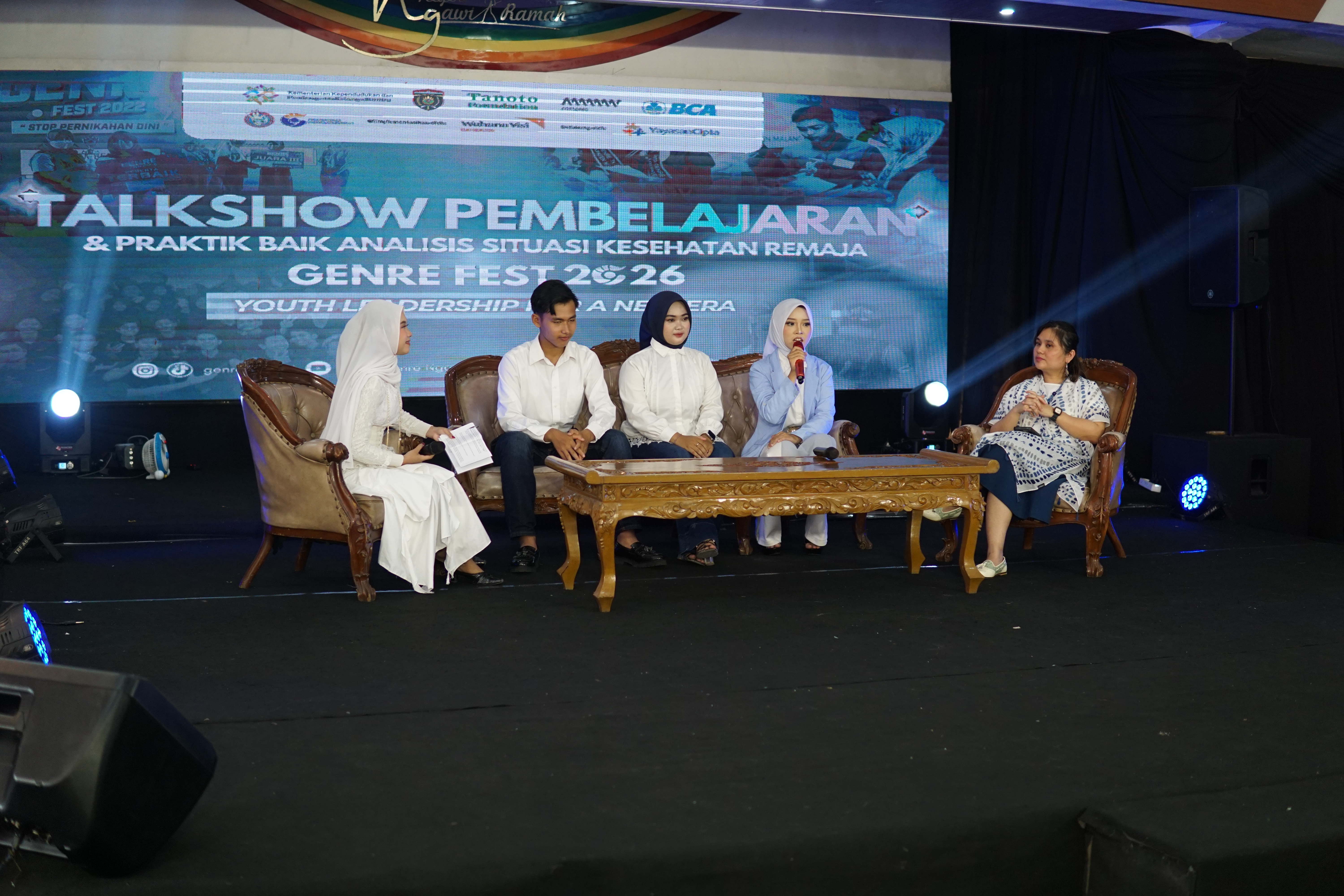
"The most memorable experience for me was being able to interact directly with the youth in the village. At first, they tended to be shy or less open, but after being engaged in casual chats, they became active and enthusiastic," Alin said proudly.
Meanwhile, Hanfa felt an extraordinary boost in self-confidence. "I became braver to speak in front of people, more confident when expressing my opinions, and started being able to manage my time between school, assignments, extracurriculars, and the field activities. I also learned to be more responsible because every note or activity we did impacts other young people in the village," Hanfa revealed.
Bringing Youth Hopes to the District Level
These findings were not left to gather dust as mere reports. The youths bravely voiced their recommendations to village heads, sub-district officials, and cross-sectoral Regional Apparatus Organizations (OPD) during the district-level Stunting Reduction Acceleration Team (TPPS) coordination meeting.
The climax of this advocacy series occurred concurrently with the Grand Final of the Ngawi GenRe Ambassador Election in 2026. Alin and Hanfa, accompanied by the PASTI Program team, directly handed over the recommendation document to Bunda GenRe (Chairperson of the Ngawi PKK Driving Team) to be forwarded to the Regent.
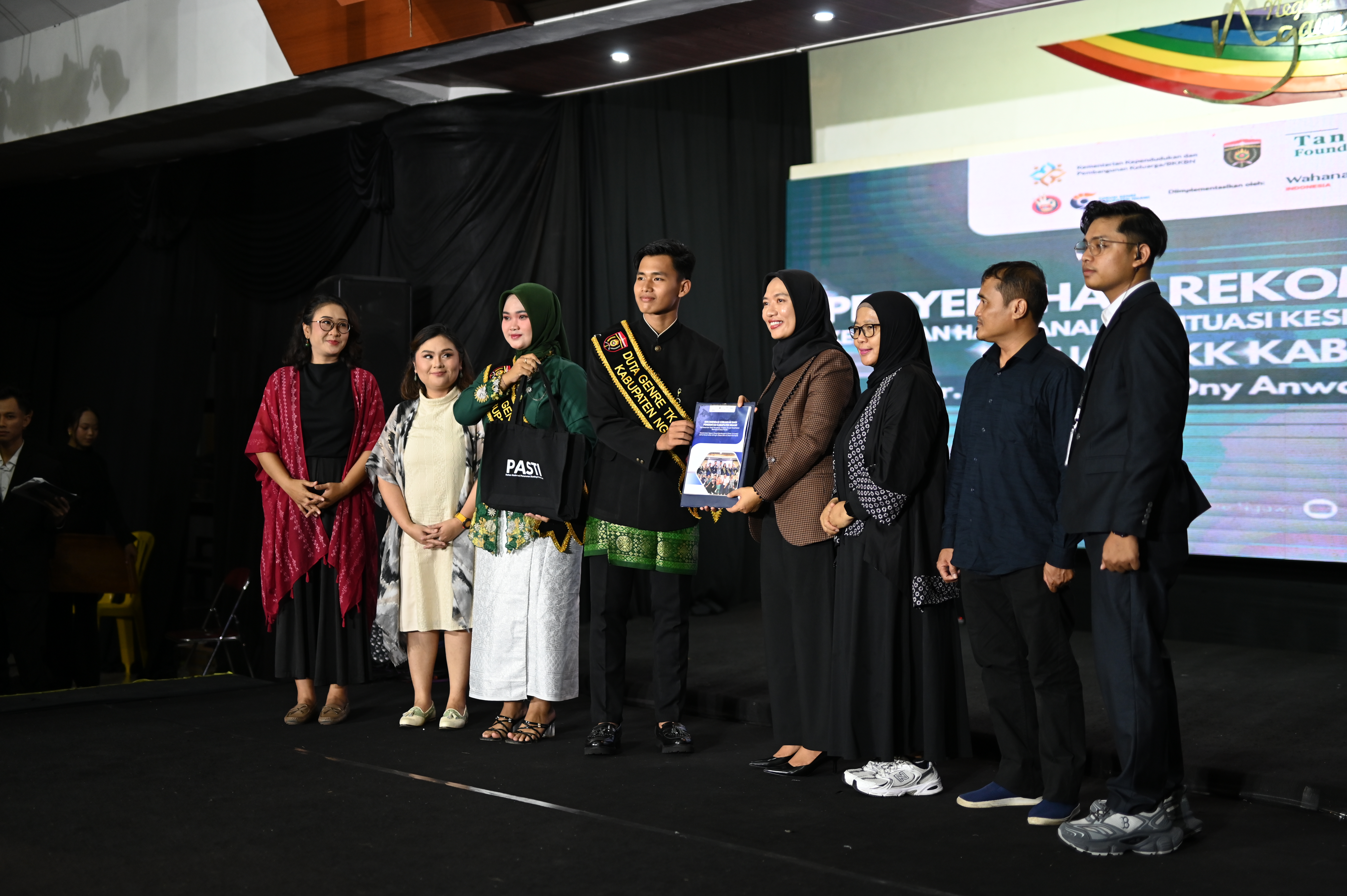
Their main recommendation was crystal clear: requesting the integration of adolescent-specific interventions—such as nutrition education, anemia prevention, and child marriage prevention—into the efforts to accelerate stunting reduction through a Regent's Circular Letter, aiming to accommodate these activities in the 2026 or 2027 Regional Government Work Plan (RKPD) amendments.
This bold action received full appreciation from Bunda GenRe. She emphasized her pride in seeing the youths go directly to the field and promised that the results of this analysis would serve as a baseline for future government programs for adolescents in Ngawi.
This remarkable story from Ngawi proves that preventing stunting is not solely the concern of mothers and toddlers. True stunting prevention begins in adolescence, when the younger generation is given the space and access to learn, voice their aspirations, educate their peers, and participate in determining their fate and future.