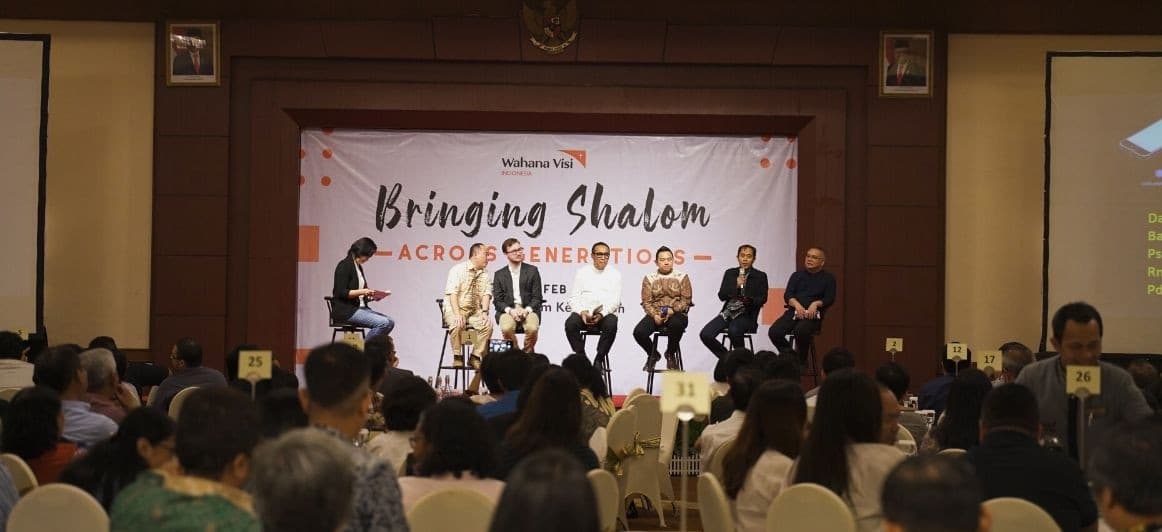
World Vision International, in collaboration with Barna Research, conducted the Connected Generation study in 2019 involving 15,369 millennials (aged 18–35) across 25 countries. The findings were presented at the Church Leader Gathering organized by Wahana Visi Indonesia (WVI) on February 10, 2020, in Jakarta. Held under the theme "Bringing Shalom Across Generations," the event brought together church leaders, education practitioners, and youth advocates representing 120 organizations.
Before conducting the research, Barna Research defined millennials as those born between 1984 and 1998. This generation is characterized by its strong connection through technology, social media, and digital interactions. The study also revealed that millennials continue to place significant importance on spirituality and faith.
According to the research conducted by Barna Research and World Vision International, 47% of respondents across the 25 participating countries reported believing in spiritual matters. In Indonesia, this figure was even higher, with 75% of young people expressing belief in spirituality.
During the event, the research findings were also presented by Dr. Bambang Budianto from Bilangan Research Center (BRC). One of BRC's studies, involving 4,000 respondents aged 15–25 from 42 cities across Indonesia, found that 80.7% believed discipleship from others had a significant influence on their personal spiritual growth.
Pastors and peers were considered to play an important role in the spiritual development of young people. However, Bambang also highlighted that many millennials are gradually disengaging from church life. Among respondents, 52% stated they no longer actively participated because church programs were perceived as uninteresting, irrelevant, or lacking value. Meanwhile, 20% felt excluded from church ministry, 14.3% cited a disconnect in leadership, and 5.6% pointed to hypocrisy within the church.
The research also revealed that young people are deeply concerned about global issues such as corruption, climate change, pollution, racism, and poverty. However, only a small proportion felt that churches helped them better understand social justice, poverty, and the needs of marginalized communities.
These findings indicate a significant opportunity for churches to better prepare young people to face today's challenges. However, Barna Research found that only 20%–33% of Indonesian youth believed their churches helped them understand poverty and social justice.
Daniel Copeland, Research Director at Barna Research, who also attended the event, shared that only 5% of Indonesian young people felt inspired to become leaders through the example of someone in their church, while only 9% believed their church had provided leadership training. This presents a challenge, considering that churches depend on young people as future leaders.
"Eighty-two percent of young adult respondents believe society is currently facing a leadership crisis," Daniel explained.
The event also featured distinguished speakers, including Rev. Jacklevyn Manuputty, General Secretary of the Communion of Churches in Indonesia (PGI); Ps. Sydney Mohede from JPCC; and Fr. Carolus Putranto, representing the Archdiocese of Jakarta and the Indonesian Bishops' Conference (KWI). Together, they emphasized that churches must continue learning from young people.
Fr. Carolus Putranto explained that youthfulness is not defined by age but by one's commitment to life. He encouraged churches to continually renew their calling by remaining open to learning and embracing new ideas so they can become more impactful and effectively engage millennials in serving God and others.
Rev. Jacklevyn Manuputty added that young people are a valuable resource and should be empowered as part of the church's human capital in responding to social issues. Sydney Mohede emphasized the importance of leadership that empowers and trusts young people by providing opportunities through coaching and mentoring according to their unique gifts and talents.
On the same occasion, WVI National Director Doseba T. Sinay reaffirmed that Wahana Visi Indonesia considers the church an irreplaceable partner. Over the years, WVI and churches have collaborated through programs such as the Child Protection Hope Channel for pastors, Parenting with Love, Cultural Revitalization initiatives, and youth volunteer engagement across WVI's program areas.
"Young people and the challenges they face continue to be an important concern for all of us. We remain committed to partnering with churches to create opportunities and provide meaningful spaces for young people to become more actively involved in both the church and society," said Doseba.
Looking ahead, collaboration between churches and WVI presents an important opportunity to encourage millennials to reconnect with church life. WVI believes churches have faithfully served their communities and remains committed to strengthening partnerships that address broader social challenges through strategic, measurable, and sustainable initiatives.
Written by: Anil Dawan, Faith and Development Manager Wahana Visi Indonesia