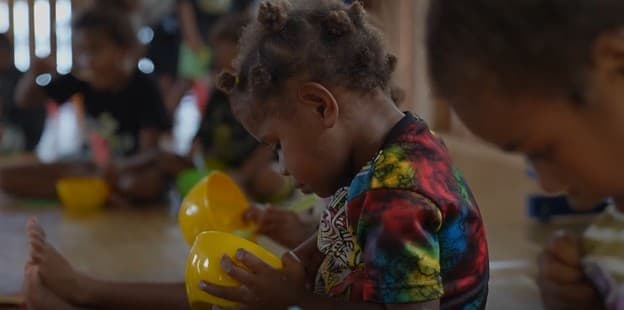
One of the vital pillars in shaping a healthy and intelligent generation is providing balanced nutrition for children. However, there are significant challenges in delivering this, particularly for underprivileged children or those in remote areas. Therefore, you can play a role in the "Help Children Get Sufficient Nutrition" programme to support a child's growth and development.
Wahana Visi Indonesia (WVI), as a humanitarian organisation, is committed to improving the nutritional health of Indonesian children by launching the Enough Campaign. This campaign is a testament to WVI's concern for the nutritional needs of vulnerable children. It is not just about quantity, but about ensuring quality so that a child's nutritional needs are met in the correct portions.
By raising the issue of balanced nutrition, this campaign builds awareness among adults that every child has the right to receive nutritional intake that meets their body's requirements.
The Importance of Providing Balanced Nutrition to Children
Every child has a right to a healthy life. Health issues, specifically stunting, are no longer a new phenomenon in Indonesia. One of the primary causes is the high rate of child marriage and poor adolescent health.
Many parents do not yet understand the importance of providing balanced nutrition, which results in children not reaching their full potential. Malnutrition does not only affect physical growth; it also has a detrimental impact on a child's ability to learn. Furthermore, ensuring a child is well-nourished is a long-term investment that will benefit their future.
The Impact of Malnutrition in Children
A lack of essential nutrients and nutrition can have severe consequences for a child's health and development. Below are the impacts of a lack of balanced nutrition:
1. Weakened Immune System
Children without balanced nutrition tend to have weaker immune systems. Consequently, they fall ill more easily and recover more slowly. They are also more susceptible to gastrointestinal infections, which can worsen their condition due to the difficulty of absorbing nutrients.
2. Stunted Growth
A lack of nutrients hinders a child’s overall development, including their motor skills. By participating in this programme, you help children grow according to the ideal standards for their age.
3. Impaired Physical Development
Long-term deficiency in essential vitamins and minerals can lead to poor physical growth, such as sub-optimal bone development. This often results in children being shorter than their peers.
4. Sub-optimal Brain Development
Malnutrition disrupts brain development. A child’s brain may not develop according to their age, leading to poor academic performance and potentially affecting their IQ.
5. Emotional and Behavioural Issues
When the body and organs do not receive adequate nutrition, it affects a child's mental state. This can lead to irritability, prolonged anxiety, sadness, stress, and even depression.
Positive Impacts of Balanced Nutrition
Providing balanced nutrition is essential to boost growth from an early age. By joining the movement to help children get enough nutrition, you contribute to improving the wellbeing of Indonesian children.
1. Growth and Development
Balanced nutrition, consumed in the right proportions and through regular eating habits, ensures a child grows well. Children have specific nutritional needs because their bodies are actively developing physically, mentally, and immunologically.
2. Physical Development
Optimal Height and Weight: Proper nutrition helps children reach the ideal height and weight for their age, preventing stunting.
Bone and Dental Health: Calcium, Vitamin D, and phosphorus are essential for building strong bones and teeth, reducing the risk of osteoporosis later in life.
Energy for Activity: Healthy fats, complex carbohydrates, and proteins provide stable energy, making children more active, agile, and resilient.
3. Brain and Cognitive Development
The first 1,000 days of life are critical for brain development. Proper intake leads to:
Improved Concentration and Memory: Omega-3, iron, and Vitamin B complex support memory and focus, aiding the learning process.
Enhanced Language and Logic: Well-nourished children are better at absorbing lessons at school.
Creativity and Problem-Solving: Adequate nutrition supports the connections between nerve cells, fostering creativity.
4. Stronger Immunity
Children with balanced nutrition have stronger immune systems, meaning they get sick less often and recover faster. Vitamin C, Vitamin A, Zinc, and Protein play vital roles in preventing respiratory infections and diarrhoea.
5. Mental Health
Research shows that deficiencies in Vitamin B and iron can lead to irritability and fatigue. Children with good nutrition tend to be more confident, have positive energy when playing with friends, and possess more stable emotions.
Help Indonesian Children with Wahana Visi Indonesia
Through the Enough Campaign, Wahana Visi Indonesia consistently helps children by distributing nutritious food to those in need. You can participate in the Enough Campaign by visiting wahanavisi.org. This campaign aims to provide better access to food, nutrition, and food security for malnourished children.