How Can You Help Vulnerable Children Through the Childhood Hope Programme?
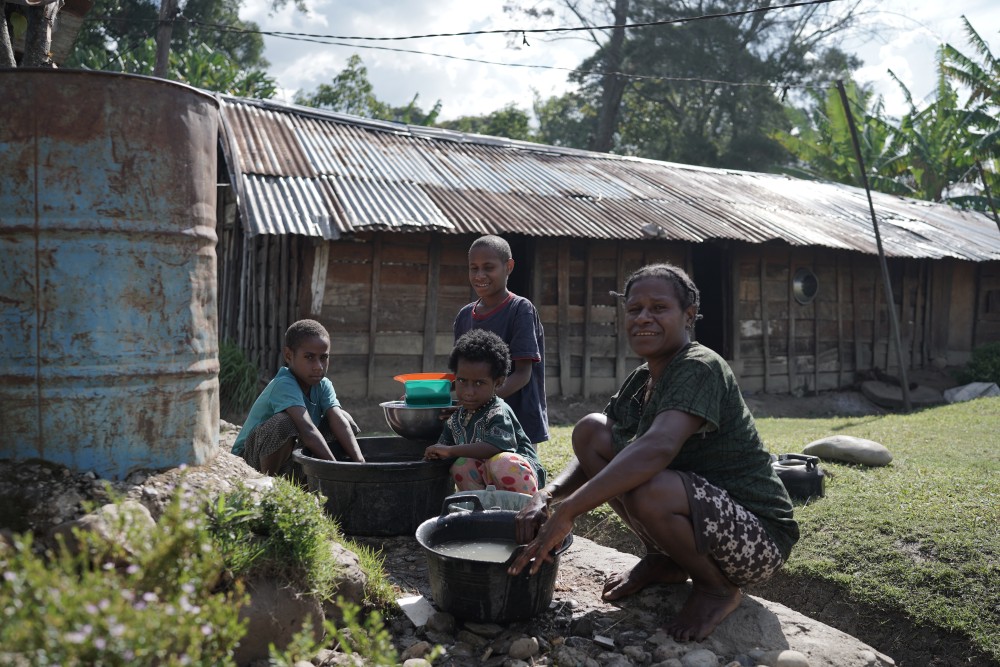
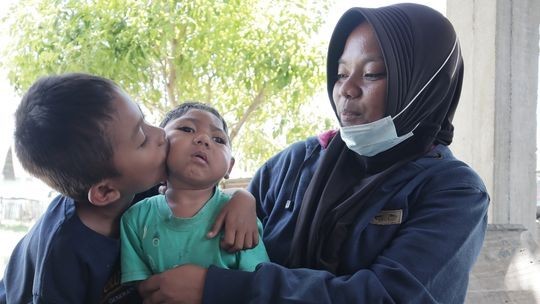
As the next generation of the nation, children require health, education, protection, and a decent quality of life. However, children in certain regions remain vulnerable due to limited access to schooling and healthcare, as well as the devastating impact of natural disasters.
This is why Childhood Hope was established—an empowerment programme for children in disadvantaged areas. Below is an outline of how you can support vulnerable children through the Childhood Hope programme.
Understanding the Childhood Hope Programme and Its Objectives
Childhood Hope is a humanitarian programme focused on empowering children in underdeveloped regions across Indonesia. The initiative can be led and implemented by non-profit organisations, social foundations, or international organisations that collaborate with local communities as partners.
The programme is designed to empower vulnerable children in remote areas, focusing on key aspects such as education, health, protection, and mental well-being. It brings together donors, volunteers, and partner institutions to support underprivileged children in securing a better future.
Factors Driving Childhood Hope to Support Vulnerable Children
Living in disadvantaged areas leaves children in precarious conditions, often hindering their optimal growth and development. The following factors serve as the foundation for Childhood Hope and similar aid programmes:
1. Extreme Poverty
A primary driver for intervention. Poverty makes it difficult for children to access nutritious food, healthcare services, and quality education.
2. Domestic or Environmental Violence
In vulnerable areas, rates of violence—both within the family and the wider community—are often high, frequently triggered by economic hardship. This can severely affect a child's psychological and mental development.
3. Loss of Parents
Children in these regions may become vulnerable after losing parents to illness, workplace accidents, or crime. This loss increases the risk of children being forced into begging or becoming victims of exploitation.
4. Impact of Disasters and Remote Locations
Many areas in Indonesia are extremely isolated or prone to severe natural disasters. This limits access to essential facilities, impacting a child's nutrition, health, and education.
5. Poor Sanitation
Underdeveloped regions are closely linked to inadequate sanitation, which negatively affects health. Consequently, Childhood Hope incorporates health and hygiene as a core pillar of its empowerment goals.
Key Focus Areas of Childhood Hope Donations
Childhood Hope targets several critical sectors to support vulnerable children:
1. Quality Education
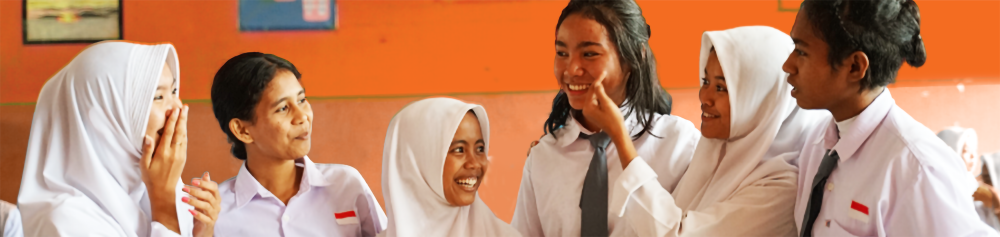
Funds are allocated to provide free access to education or tuition subsidies. Additionally, donations cover school supplies such as uniforms, books, and stationery, as well as vocational skills training.
2. Health and Nutrition
To ensure healthy growth, the programme organises nutrition schemes and routine health check-ups. This ensures children receive essential proteins, iron, and vitamins, alongside basic healthcare services like immunisations.
3. Child Protection
Working alongside local social services and psychologists, Childhood Hope strives to protect children from violence, exploitation, and human trafficking, while educating them about their fundamental rights.
4. Psychosocial Support
For children who have experienced trauma, loss, or emotional distress, the programme provides psychological support from professionals to help them recover, rebuild their confidence, and lead normal lives.
5. Empowerment of Parents and Teachers
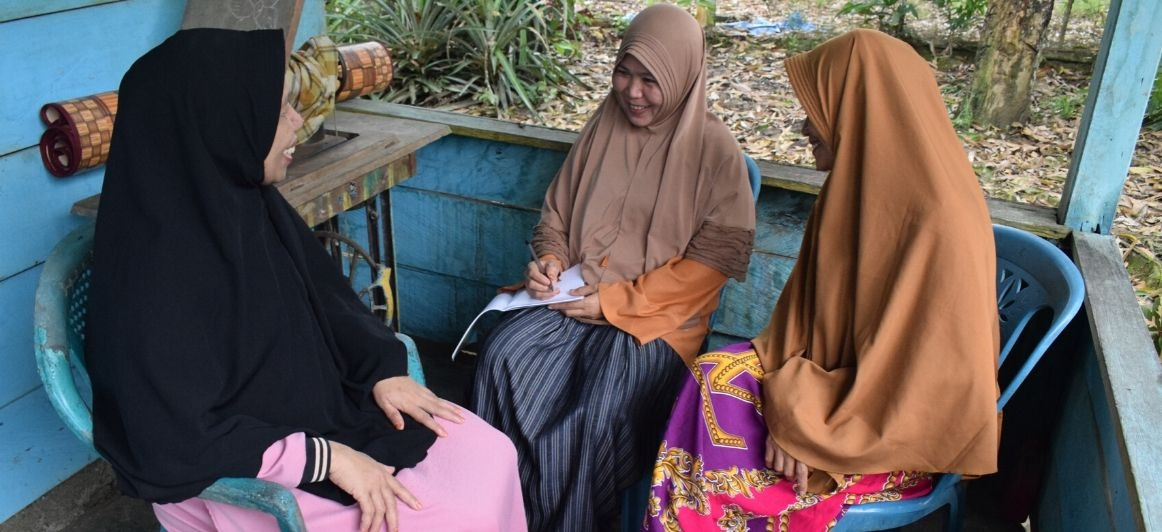
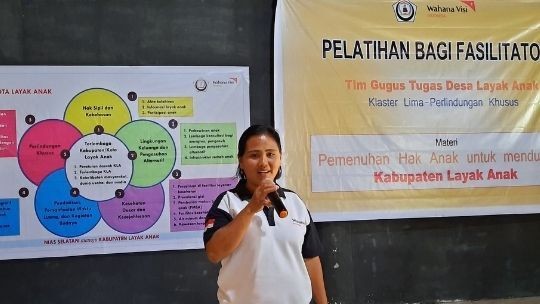
The programme also supports the adults who guide these children. Parents and teachers are involved in training sessions ranging from MSME (Small Business) development to parenting workshops and educational training, creating a positive support system for the child.
How to Help Vulnerable Children via Childhood Hope
You can contribute to the Childhood Hope programme through the following methods:
1. Regular Donations
Becoming a monthly donor is one of the most effective ways to provide sustained support for a child's basic needs, education, and protection.
2. One-off Gifts
If you are not ready for a regular commitment, a single donation can still make a significant impact, often funding specific projects like building schools or healthcare facilities.
3. Child Sponsorship
This mechanism allows you to support a specific child’s life holistically, covering everything from nutrition and health to education and housing.
4. Fundraising
You can launch your own fundraising campaign on social media, within your community, or at your workplace to encourage others to donate.
5. Spreading Awareness
Sharing stories and information about the programme helps raise public awareness regarding the challenges faced by vulnerable children.
Conclusion
Childhood Hope supports vulnerable children in disadvantaged regions across multiple facets of life. This empowerment programme is designed and implemented by Wahana Visi Indonesia, a humanitarian organisation. If you are interested in contributing to this cause, you can do so by creating an account on the official website at wahanavisi.org.