The Role of Childhood Hope in Unlocking Educational Opportunities for Children in Eastern Indonesia
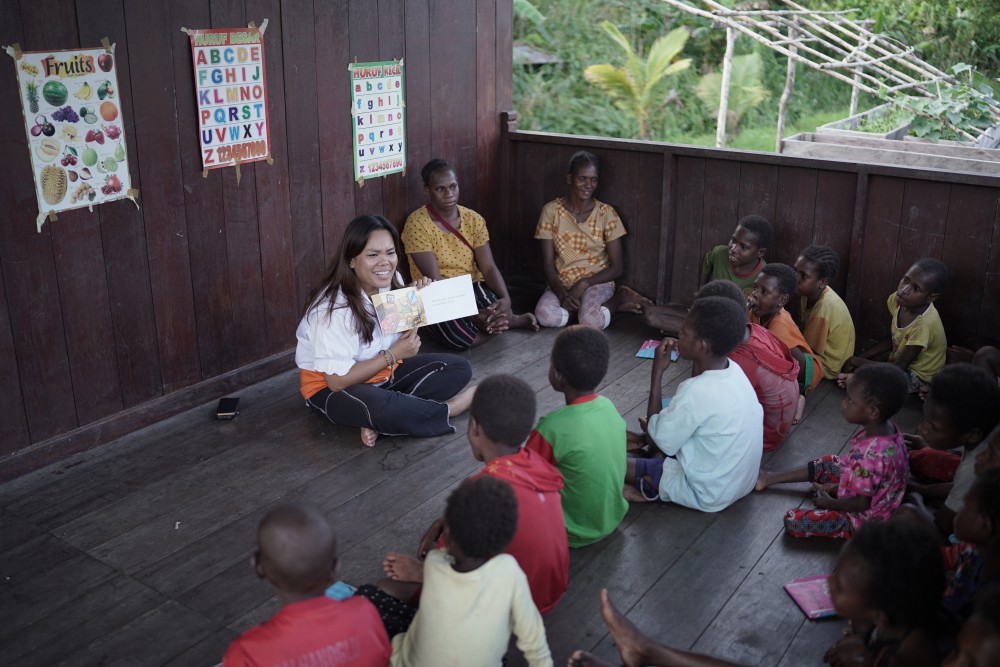
Eastern Indonesia, with its stunning natural wealth and vibrant culture, holds stories of resilience and hope. However, behind that beauty lies a significant challenge faced by children, particularly regarding education.
Limited access, inadequate facilities, and complex geographical and socio-economic factors often act as primary barriers to achieving their dreams. Ensuring every child in this region receives a proper education is the most vital investment for building a brighter, fairer, and more prosperous future for the children of Eastern Indonesia.
In an effort to bridge this gap, an initiative called Childhood Hope has emerged as a beacon of possibility. This programme is specifically designed to provide holistic and sustainable support, focusing on children in remote and marginalised areas.
More than just a donation, Childhood Hope is a commitment to transforming lives, empowering communities, and ensuring that every child has an equal opportunity to thrive. This article will explore the challenges faced by children in Eastern Indonesia and the crucial role of Childhood Hope in opening the doors to educational opportunities that were once closed.
Educational Challenges in the Far East of the Archipelago
Children in Eastern Indonesia face unique and often overlapping obstacles. These challenges do not stem from a single source but from various interconnected aspects of life.
1. Geographical Barriers and Infrastructure Constraints
Extreme geographical conditions, such as steep mountains and dense forests, make mobility incredibly difficult. Many children must travel for hours to reach school, sometimes barefoot and crossing dangerous terrain. In some regions, schools can only be reached by water, which is dependent on weather conditions.
These limitations not only leave children vulnerable to exhaustion and physical danger but are also the primary reason many drop out of school. Furthermore, school infrastructure is often far from adequate; many schools are makeshift structures lacking proper textbooks, or even basic desks and chairs.
2. Disparities in Teacher Quality and Staffing
A chronic shortage of competent teachers willing to be stationed in remote areas persists. Many teachers in these regions lack adequate qualifications, and staff turnover is high. Consequently, the quality of instruction is inconsistent.
Children in Eastern Indonesia often miss out on the guidance received by their urban counterparts. A lack of teacher training in innovative and effective pedagogical methods also hinders the teaching and learning process.
3. Entrenched Economic and Social Factors
Poverty is a major factor hindering the future of children in Eastern Indonesia. Many families cannot afford school necessities such as uniforms, books, and other supplies.
Frequently, children are forced to help their parents work to meet daily needs, sacrificing their study time. Additionally, awareness of the importance of education remains low in some communities, where certain traditions may take precedence over formal schooling, leading to high dropout rates and early childhood marriage.
4. Lack of Resources and Community Support
In remote areas, resources to support education are minimal. Libraries, laboratories, and other supporting facilities are almost non-existent. Furthermore, support from the community—including village governments and local leaders—to manage and maintain schools is often limited. Without strong community backing, efforts to improve education are difficult to sustain in the long term.
Childhood Hope: Turning Hope into Action
Given the complexity of these challenges, it is clear that solutions must be holistic and comprehensive. This is where Childhood Hope plays a vital role. This programme is not merely about financial donations; it is an integrated strategy targeting the root causes of educational issues in Eastern Indonesia.
1. Fundraising for Education in Papua
One tangible manifestation of Childhood Hope is through various fundraising initiatives. For example, the programme organises charity events, such as "praise nights," for children's education in Papua. These events invite the public to participate in a movement that raises both funds and awareness.
2. Infrastructure and Facility Improvements
The programme actively collaborates with communities to repair and build educational infrastructure. This includes constructing small libraries or reading rooms and providing proper sanitation facilities. A safe and comfortable learning environment is key to encouraging children to attend school.
3. Enhancing Teacher Quality and Curriculum
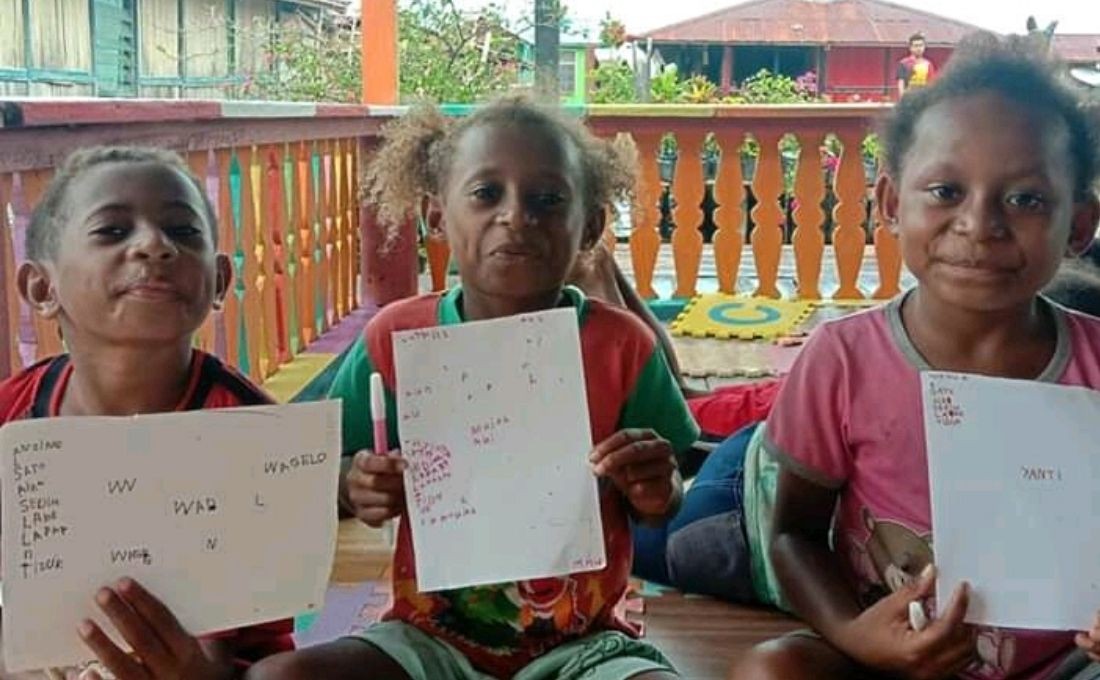
Recognising the vital role of educators, Childhood Hope invests in teacher training programmes. These focus on interactive teaching methods, effective classroom management, and the use of curriculum materials relevant to local conditions.
4. Community Engagement and Family Empowerment
The programme involves parents and community leaders in school activities, establishing school committees and providing education on the importance of schooling. It also seeks to empower family economies through skills training and business capital assistance, allowing parents to focus more on their children's education.
Real Impact and Fulfilled Hopes
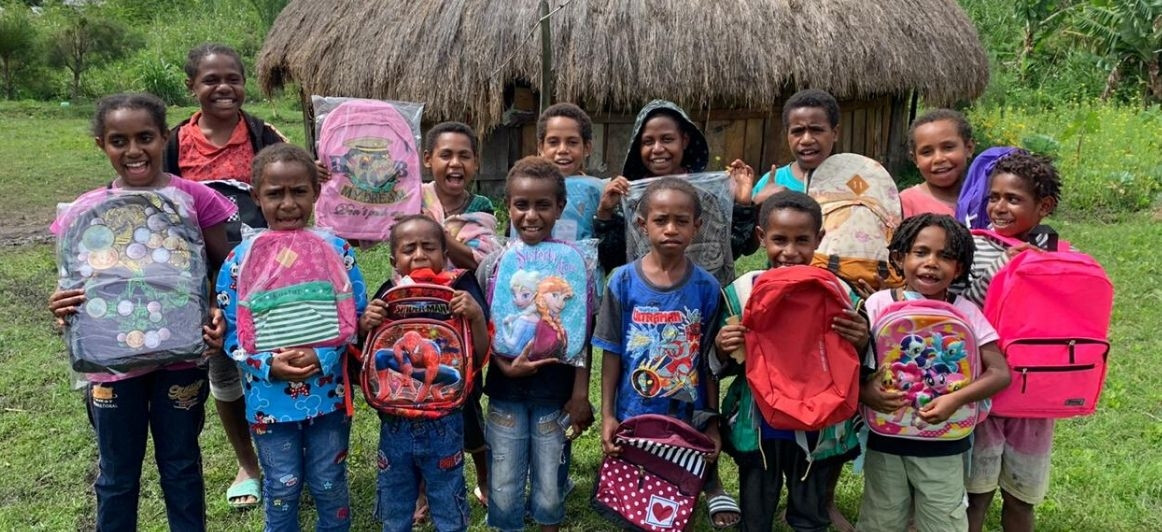
Through this holistic approach, Childhood Hope has demonstrated a significant impact. School attendance rates have risen, dropout rates have declined, and children's academic achievements are beginning to show real progress. More importantly, the programme has restored confidence and hope to these children. They now view education as a pathway out of poverty, rather than a burden.
The long-term impact of Childhood Hope is the emergence of a new generation that is educated, discerning, and empowered. The children receiving support today will become the leaders of tomorrow, building their communities and bringing about positive change for Eastern Indonesia. They are living proof that with the right support, no dream is too ambitious to achieve.
This programme has proven that collaboration is key. Through synergy between humanitarian organisations, the government, communities, and individuals, we can create sustainable change. Every donation made through Childhood Hope is an investment in a child's education, which is ultimately an investment in the future of Eastern Indonesia and the future of the nation.
Realise Hope with Us
Children in Eastern Indonesia possess extraordinary potential waiting to be unlocked. At Wahana Visi Indonesia, we believe that education is the key to unleashing that potential. Through Childhood Hope, we have campaigned for years to accompany and provide vital educational support for them.
We invite you to become a part of this social movement. Your donation, regardless of the amount, will be managed transparently and professionally to ensure that every child gains access to a proper education, a safe environment, and the opportunity to achieve a bright future.
Every contribution you make is an investment in a child’s education, which ultimately serves as an investment in the future of Eastern Indonesia and the future of the nation. Visit our website now and take a stand. Together with us, you can become part of a story of hope that is currently being brought to life.