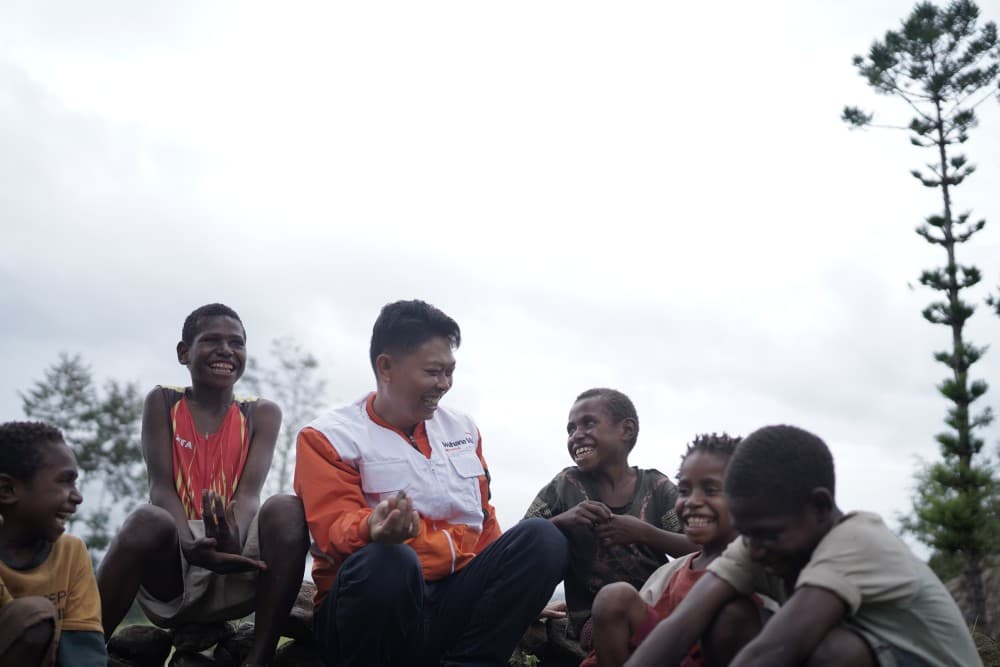
Indonesia is an archipelagic nation rich in cultural diversity, traditions, and natural beauty. However, behind this wealth lies a stark disparity, particularly between the western and eastern regions.
Children growing up in Eastern Indonesia—such as Papua, Maluku, East Nusa Tenggara (NTT), and North Maluku—often face challenges far more complex than those in other regions. Limited access to basic facilities, difficult geographical conditions, and deep-seated socio-economic issues make them a highly vulnerable group.
Realising an equal and bright future for every child, regardless of where they are, is a monumental task. Yet, it is not an impossible dream. With the right approach and sustained support, these challenges can be overcome.
This article explores the lives of children in Eastern Indonesia, the challenges they face, and the transformative solutions offered through the Childhood Hope programme. This initiative is more than just providing aid; it is about building a strong foundation for long-term change.
The Reality and Unique Challenges of Children in Eastern Indonesia
Children in Eastern Indonesia often grow up amidst severe limitations. The challenges they face are multidimensional, spanning health, education, and protection. Limited infrastructure, such as dilapidated roads or the absence of electricity, makes accessing essential services incredibly difficult.
1. Challenges in Health and Nutrition
One of the most critical issues is the lack of adequate healthcare. Data from various humanitarian agencies shows that rates of stunting, malnutrition, and maternal and infant mortality remain high in several eastern regions. A shortage of medical facilities and personnel, combined with the difficulty of reaching health centres, means many children do not receive complete immunisations or prompt medical attention when ill.
Furthermore, poor sanitation and minimal access to clean water are primary triggers for diseases like diarrhoea, which can be fatal for children. Stunting—caused by chronic malnutrition—hinders physical growth and cognitive development, ultimately affecting a child's quality of life and their potential to learn and succeed.
2. Challenges in Education
In many areas, education remains a luxury. Children in Eastern Indonesia often travel vast distances to reach school, trekking through forests and crossing rivers without proper transport.
Even upon arrival, they face inadequate facilities, such as damaged buildings, a lack of textbooks, and a shortage of competent teachers. Many educators are reluctant to be stationed in remote areas, leaving children with a subpar education. This gap is further exacerbated by social threats; these children are highly susceptible to dropping out to help their parents work, falling into child labour, or facing early marriage.
3. Challenges in Child Protection
Poverty and a lack of awareness often leave children vulnerable to violence, neglect, and exploitation. In remote communities, child protection systems may not function optimally. Without adequate reporting channels, children can become victims of abuse without recourse. A lack of community knowledge regarding children's rights further contributes to these risks.
Restoring Hope: Holistic Solutions through Childhood Hope
The complexity of these challenges requires a solution that is holistic, structured, and sustainable. This is the core philosophy of the Childhood Hope programme. It is designed to provide comprehensive support across four key pillars:
1. Improved Health and Nutrition
Providing nutritional supplements, hygiene education, and building clean water and sanitation facilities.
2. Access to Quality Education
Establishing reading rooms, providing teacher training, and improving school facilities to boost literacy and academic achievement.
3. A Safe and Protected Environment
Working with communities to raise awareness of children's rights and establishing forums to report and prevent violence.
4. Family Economic Empowerment
Providing skills training and assistance to parents so they can achieve financial stability and meet their children's basic needs.
Long-term Impact: Transforming Lives and Communities
The impact of Childhood Hope extends beyond the individual to the entire community. When a child receives a proper education, they become an inspiration for others. When a village gains access to clean water, the health and productivity of the entire population improve.
By involving local people, the programme ensures that change is driven from within and remains sustainable long after the programme concludes. This aid acts as a catalyst for broader social and economic transformation.
Realise Hope With Us
Children in Eastern Indonesia are an integral part of this nation. They possess incredible potential and big dreams, and they deserve a decent life. However, to realise this, they need our help.
Wahana Visi Indonesia has spent years accompanying and supporting children in Eastern Indonesia. Through the Childhood Hope programme, we invite you to be part of this movement. Your donation is an investment in the future of the nation—a small step that creates a massive impact for a generation.
Take Action Today: Join us in the Childhood Hope programme. Together, we can ensure every child in Eastern Indonesia has the chance to grow up healthy, educated, and safe.